Can AI Replace Public Speakers? Here's the truth.

Spikitech Team
July 14, 2026
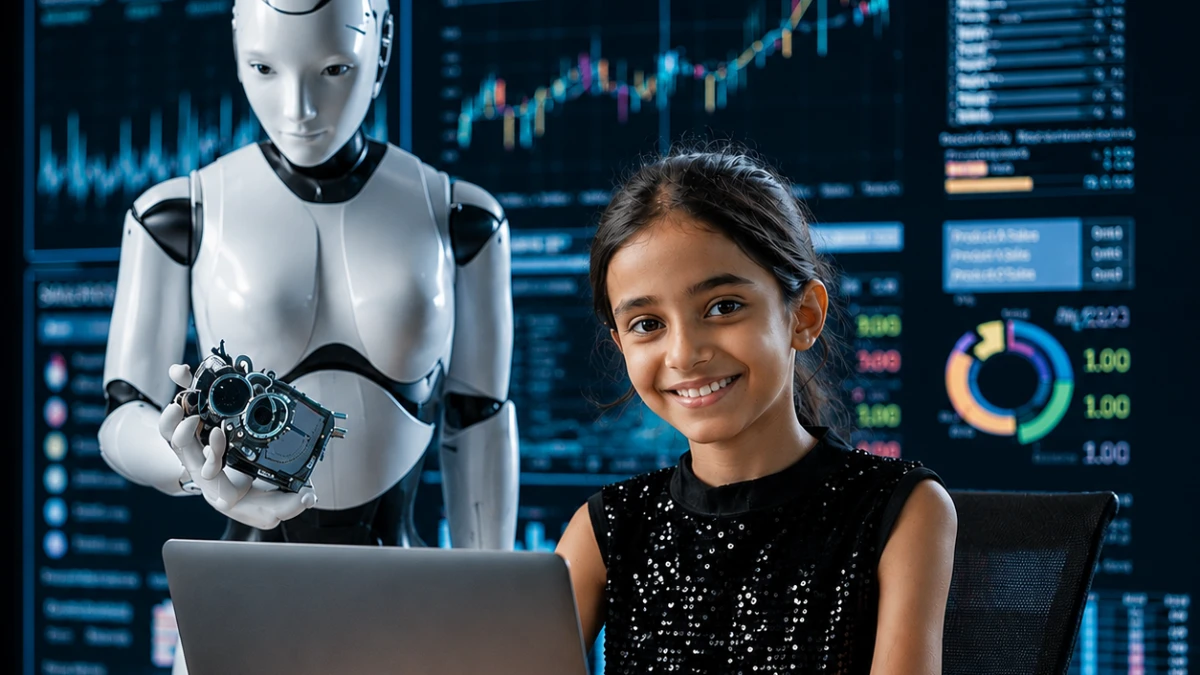
What AI Can Already Do Convincingly This part isn't hype. AI presenter technology has become good enough that it's already in wide use for specific, scripted purposes. Corporate training and onboarding. Companies increasingly use AI avatars to deliver standardised training content, since they can be updated and re-recorded instantly without booking a studio or a presenter. Multilingual content at scale. The same avatar presentation can be localised into 100+ languages without re-filming, which is a genuine advantage AI has over a single human presenter. Marketing and explainer videos. Product walkthroughs, onboarding videos, and social content increasingly use AI presenters because they're fast and inexpensive to produce and revise. Research backs this up for narrow, scripted tasks. A university study comparing AI avatar training videos to human instructor videos found no meaningful difference in learner engagement or retention, though viewers finished the AI version faster. Notice the theme: every one of these is a one-way, scripted, repeatable delivery of information. That's the category AI has genuinely mastered. Where AI Still Falls Short Even the companies building this technology are careful to draw a line here. Industry analysis of AI spokesperson technology explicitly notes it doesn't apply to situations requiring unscripted, spontaneous human interaction where genuine empathy and complex improvisation matter. Live Q&A and real audience interaction. An AI avatar can deliver a script, but it can't field an unexpected question from row three and improvise a genuine, in-the-moment answer the way a human speaker can. Reading and adjusting to a live room. A human speaker can sense when a room is losing interest and pivot; a pre-rendered avatar delivers the same performance regardless of how the audience is actually reacting. Trust in high-stakes moments. Audiences generally still want to see a real founder deliver bad news, a real leader take responsibility, or a real teacher answer a hard question, moments where the source of the message matters as much as the message itself. Original ideas and lived experience. AI avatars deliver a script someone else wrote. They don't have opinions, original arguments, or a personal story to draw from; someone still has to be the human behind the words. The Real Verdict: Augmentation, Not Replacement The clearest way to think about this is that AI is replacing the parts of speaking that were already closer to broadcasting than to speaking repetitive training modules, localised marketing content, and standardised explainer videos. It is not replacing the parts of speaking that involve a live human being building trust, credibility, or connection with an audience in real time. If the goal is information delivery at scale, AI avatars are already a legitimate, cost-effective option, and that trend will keep growing. If the goal is persuasion, leadership, or connection, a human speaker remains essential because audiences are evaluating the person as much as the message. The skill that matters most now isn't competing with AI avatars; it's knowing which situations still require a real human in the room and making sure you're excellent in exactly those moments. What This Means If You're Learning to Speak Today For students, this isn't a reason to worry; it's actually clarifying. The parts of public speaking that are hardest to learn (real connection, live adaptability, and authentic storytelling) are exactly the parts that remain irreplaceably human. AI is unlikely to come for those skills anytime soon, which means the effort you put into them keeps paying off. Class 3–8: focus purely on speaking comfortably and telling real stories, the foundation that AI can't shortcut for you. High school: build life skills like debate and impromptu speaking, which train exactly what the improvisation AI avatars can't do. College and graduate: practise defending your own original ideas under real questioning, the single hardest thing for any AI to fake convincingly. The Bottom Line AI can replace a speaker when the job is simply to deliver a script. It cannot yet replace a speaker when the job is to think on their feet, read a room, and be trusted as a real person saying something they actually believe. That gap isn't closing as fast as the avatar demos suggest, and it's exactly the gap worth training for. At Spikitech, we teach students to build the human speaking skills that stay valuable no matter how good AI presenters get because the moments that matter most still need a real person in the room.

Written by
Spikitech Team
Empowering the next generation of innovators through AI education, creative thinking, and hands-on learning at Spikitech.